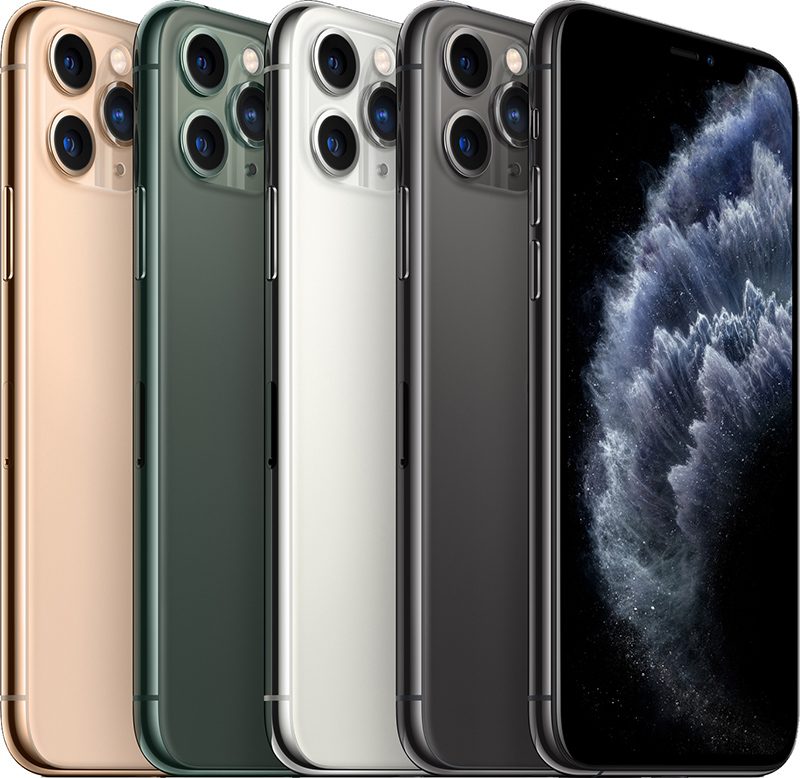
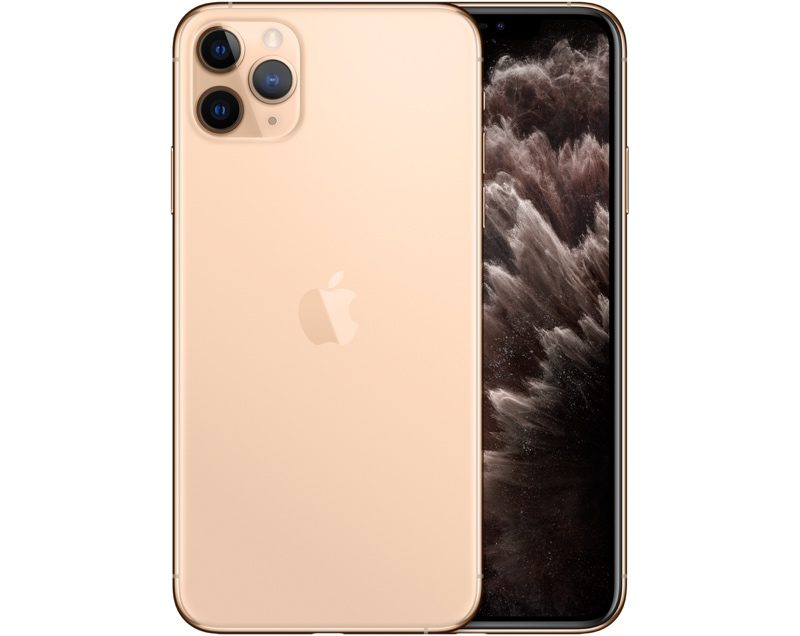
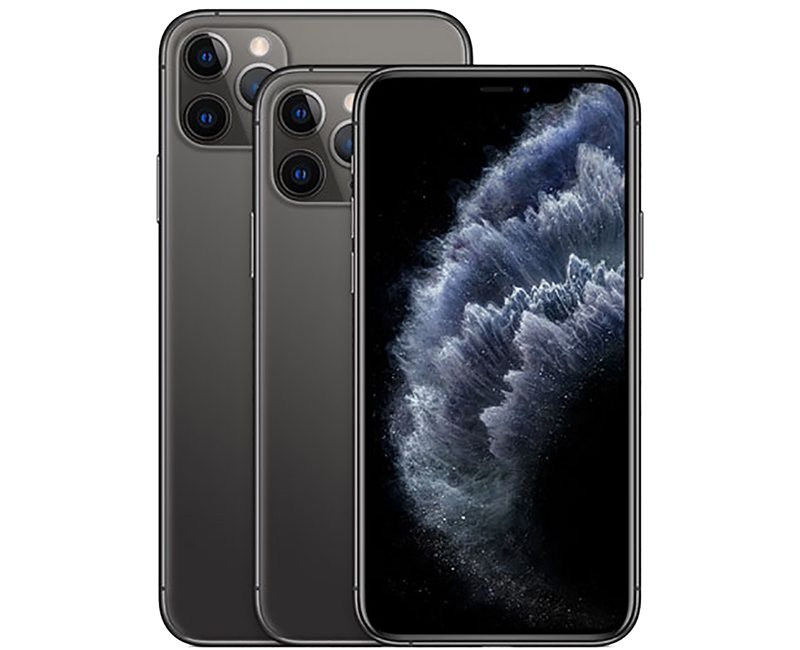
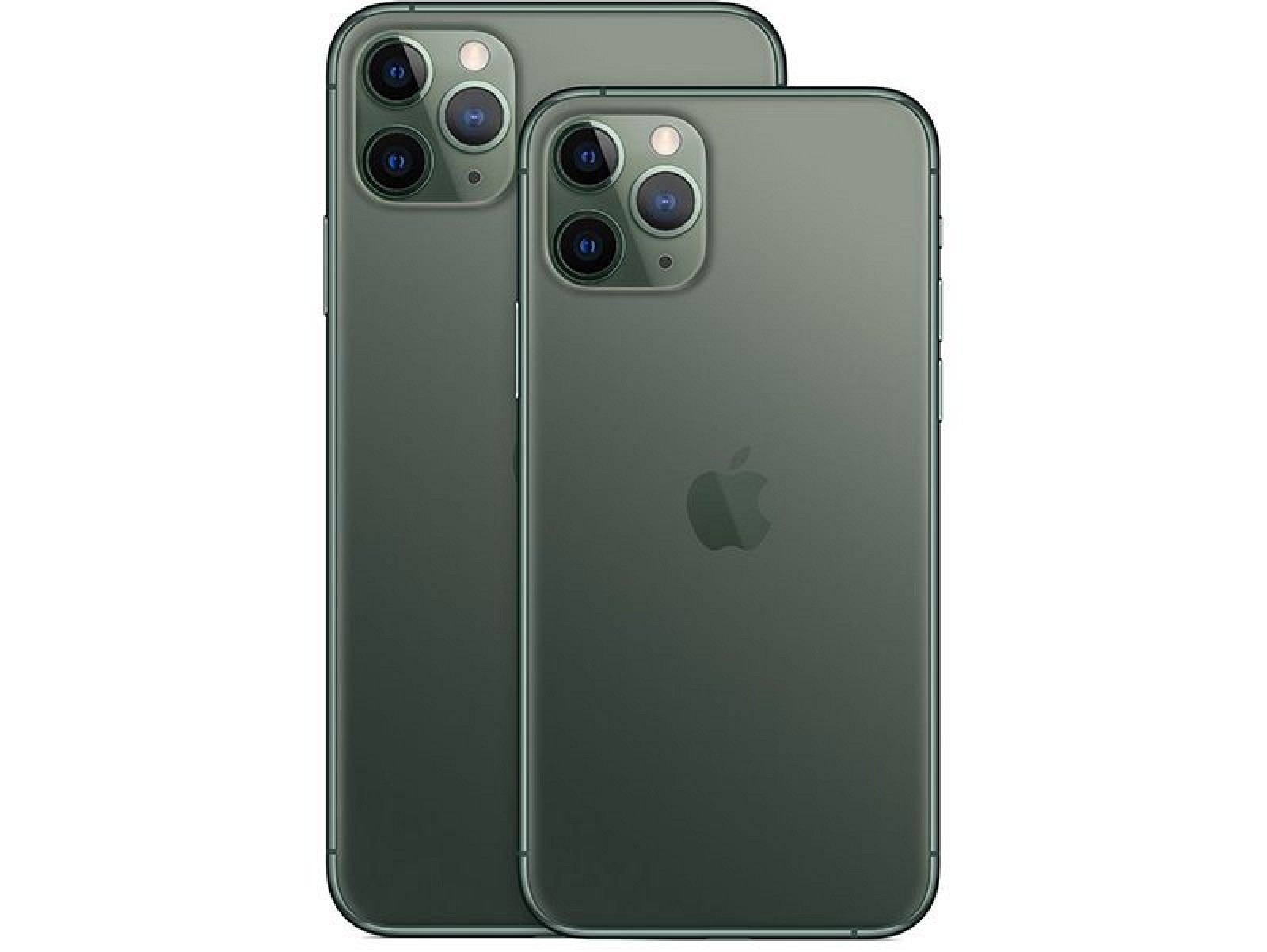
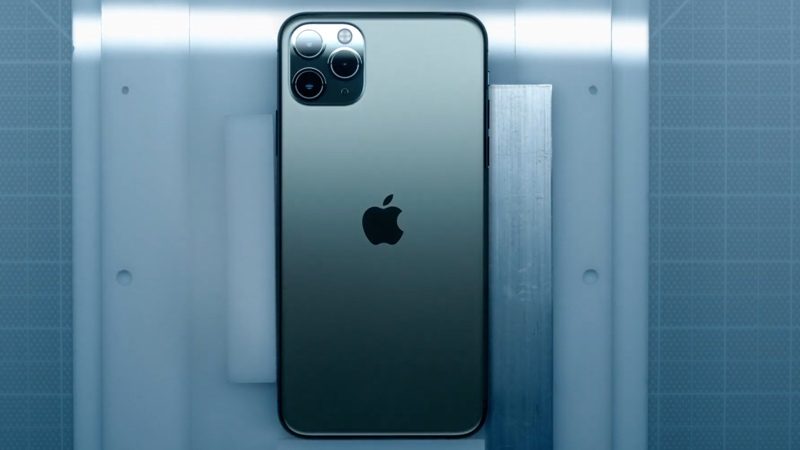
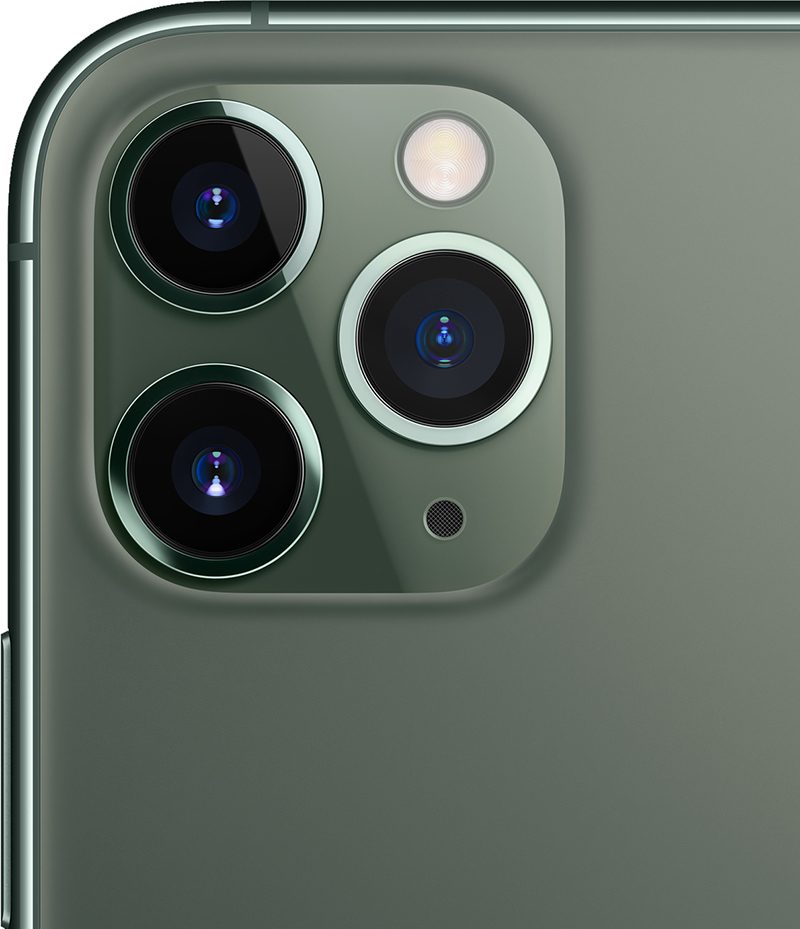
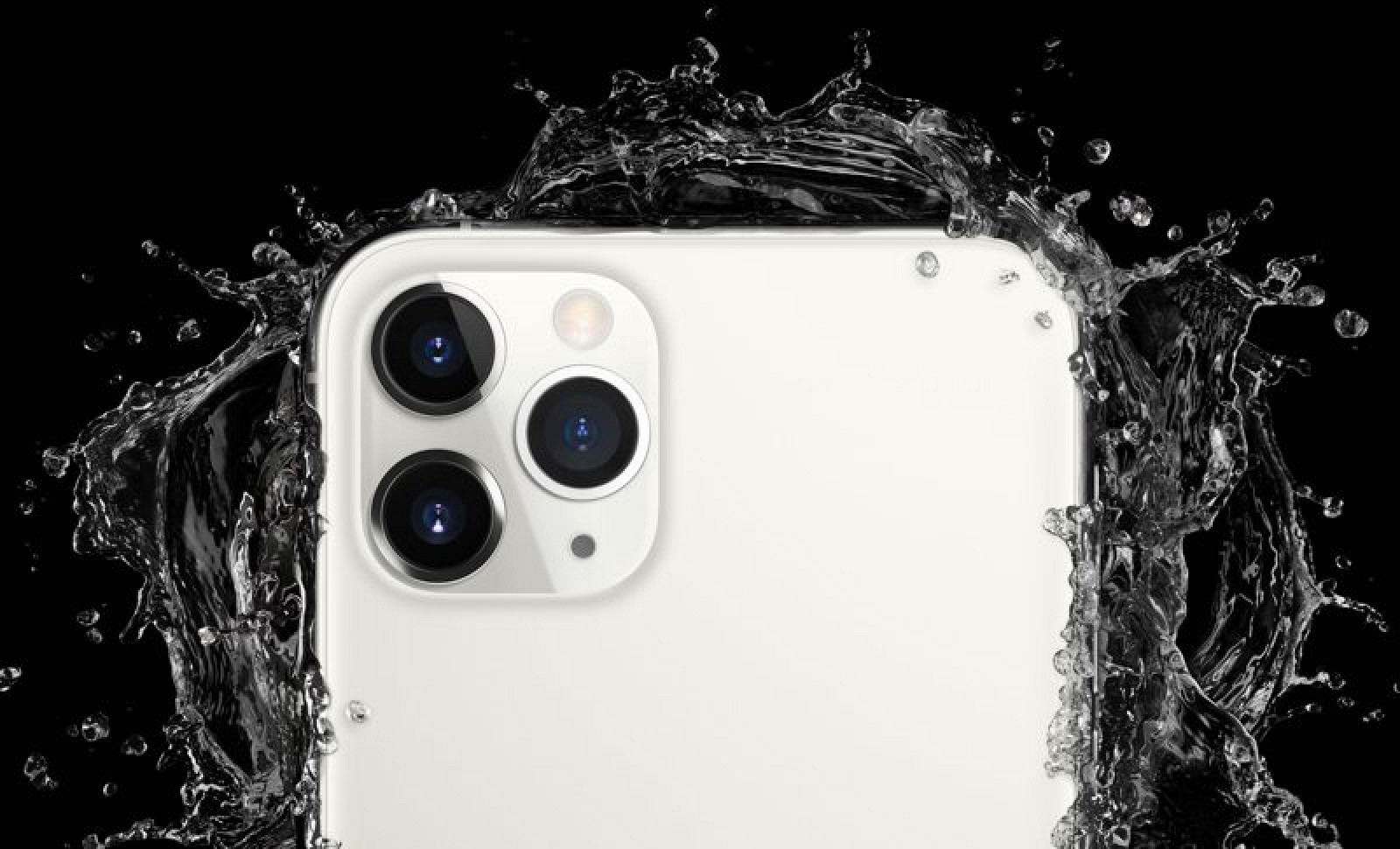
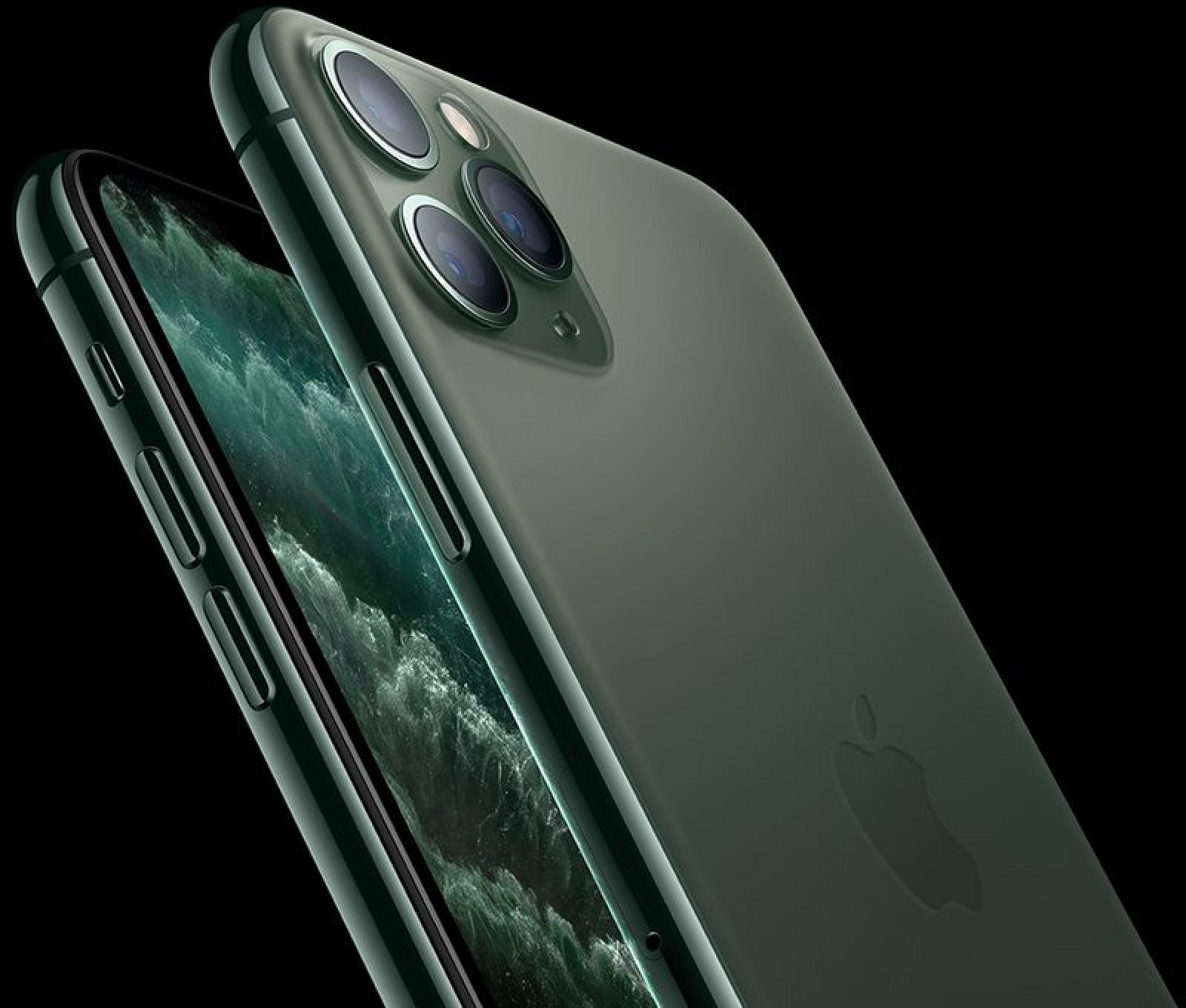
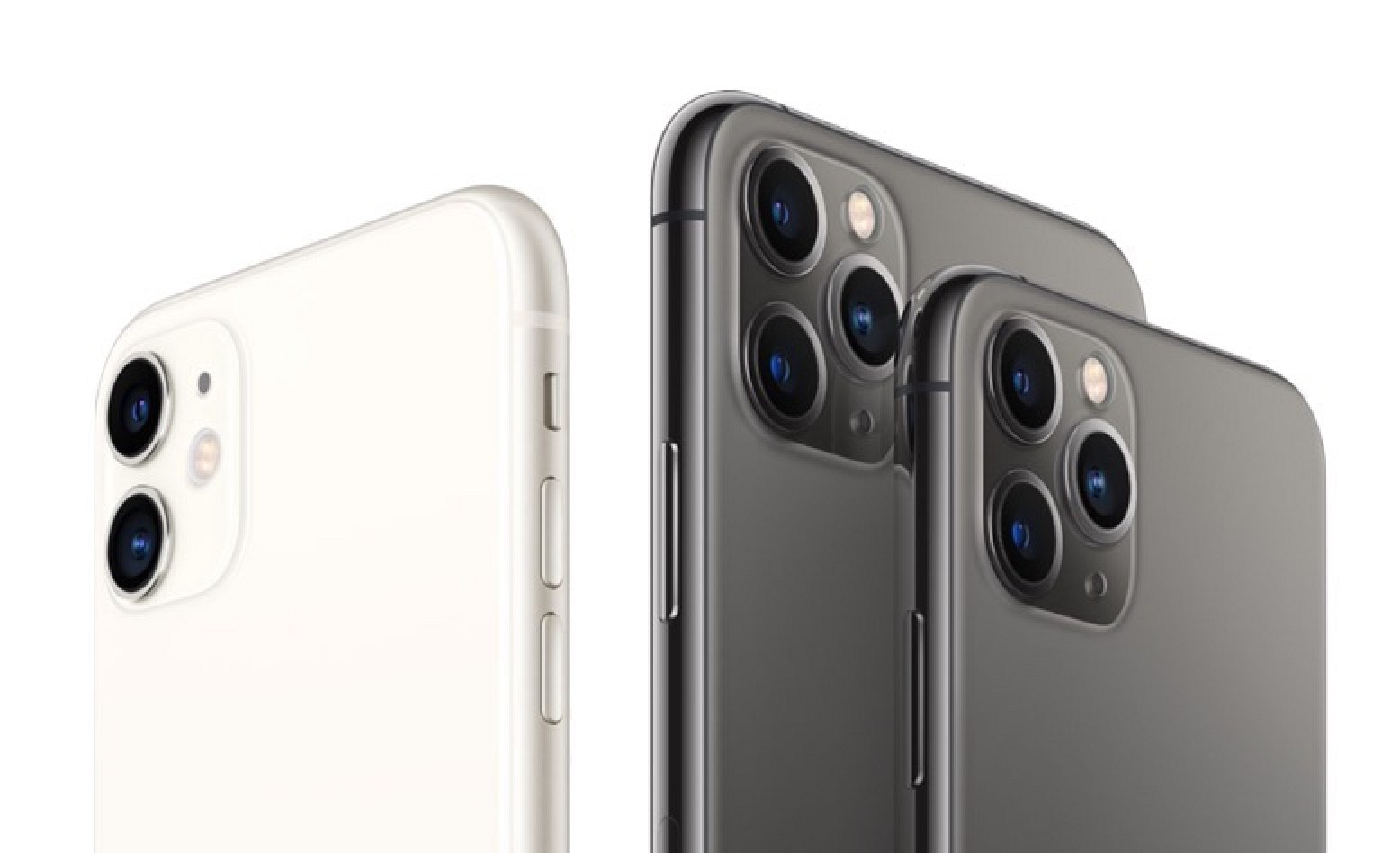
A triple-lens rear camera, a first for an iPhone, is the hallmark feature in the iPhone 11 Pro and Pro Max. There are telephoto and wide-angle lenses like before, along with a new ultra wide-angle camera lens.
All three lenses are 12-megapixels and the differences between them are detailed below:
Ultra Wide-Angle Camera
Wide-Angle Camera
Larger 12-megapixel sensor that lets in more light
f/1.8 aperture
6-element lens
Optical Image Stabilization
100 percent focus pixels
The wide-angle camera is located at the top left of the iPhone
Telephoto Camera
12-megapixel sensor
f/2.0 aperture
6-element lens
Optical Image Stabilization
2x zoom
40% more light capture than in XS
The telephoto camera is the bottom left lens on the iPhone
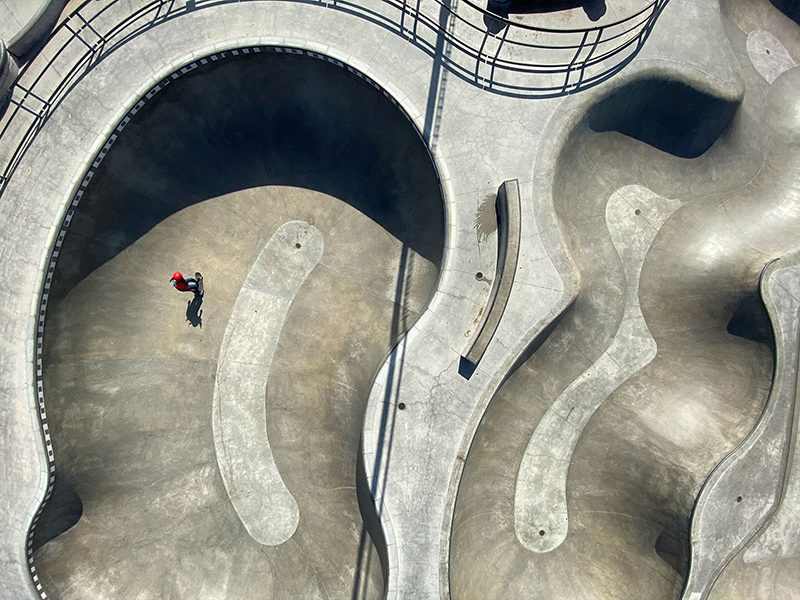
According to Apple, with the new ultra wide-angle lens, iPhone users can capture up to four times more scene, which is ideal for landscape shots, architecture shots, group portraits, and tons more.
Apple recommends using the ultra wide-angle lens for an "artful perspective" when taking a close up shot, as it offers up unique angles thanks to the short focal length.
Using the three cameras, you can zoom from the telephoto all the way out to the ultra wide-angle lens, allowing for a 4x zoom. That's 2x optical zoom in and 2x optical zoom out, with digital zoom up to 10x also available.
The Camera app interface has been improved with an updated look that displays the entire field of view captured by the ultra wide-angle lens, even when you're taking a telephoto or standard wide-angle shot.
This is designed to let you see what an image could look like if you zoomed out, which you can do with a tap. There is a dedicated button in the camera app for switching between the three available lenses and their different focal lengths so you can get just the shot that you want.
Camera controls for swapping between the three lenses are available no matter what you're doing in the camera app, from taking a photo, video, time lapse image, or slo-mo video.
To make all three cameras work together and function as one, Apple calibrated each camera individually for white balance, exposure, and other metrics. The three cameras are paired and calibrated for module to module alignment, with those calibrations applied to each image in real time.
Apple says that capturing an image is like taking raw images from three cameras and processing them for a consistent look and color, with that calculation happening in a split second. This process makes sure your photos look the same, whether you take them with the telephoto, wide-angle, or ultra wide-angle camera.
A next-generation Smart HDR feature is included in the iPhone 11 Pro and Pro Max, using advanced algorithms to bring out highlight and shadow detail in images. It's also able to use machine learning to recognize faces in images, intelligently relighting them for the best possible detail in both the subject and the background.
This is a feature that Apple says even some DSLRs aren't capable of handling.
NIGHT MODE
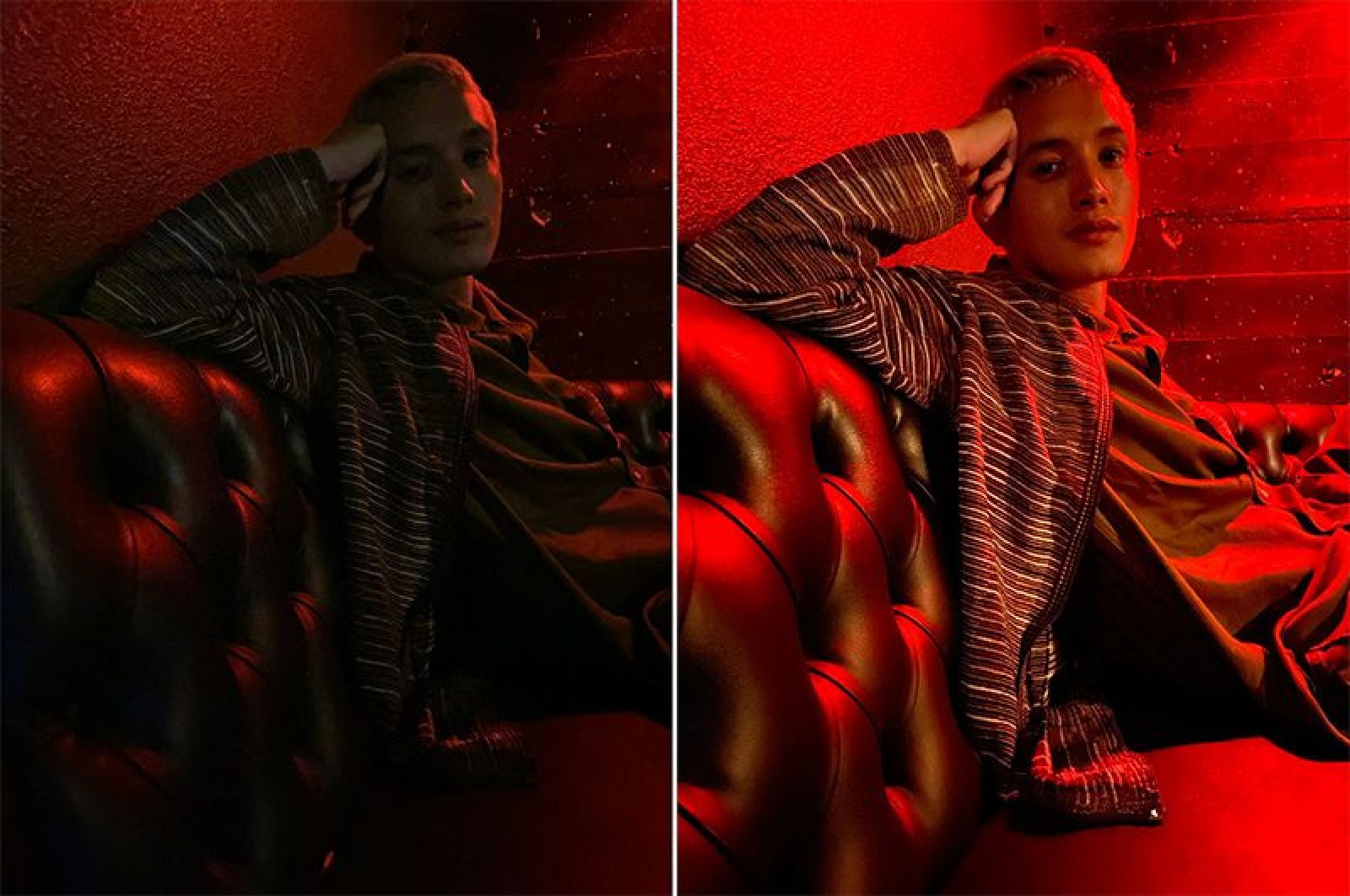
The wide-angle camera in the iPhone 11 Pro features a larger sensor with 100 percent Focus Pixels to enable new low light capabilities like Night Mode, which is designed to take much brighter pictures in low lighting conditions. It's similar to Google's Night Shift mode, lightening up the photo using complex AI software.
Night Mode turns on automatically in low lighting conditions, and there's no need to use the flash with it. When you're in an area with poor lighting, the camera will take multiple images while optical image stabilization works to steady the lens.
The A13 chip is then engaged to align images to correct for movement. Sections with too much blur are eliminated, while sharper images are fused together. The contrast is then adjusted, the colors are fine tuned, excess noise is eliminated, and details are enhanced to create a final image that looks much brighter and crisper than the lighting conditions would normally allow for.
Apple says that users can experiment with manual controls in Night Mode to get even more detail and less noise if desired, so you can get just the look you're going for even in situations where the lighting is far from ideal.
PORTRAIT MODE
Portrait Mode in the iPhone 11 Pro models allows for photos that are focused on a subject in a foreground while the background is blurred.
Portrait Mode has been available since the iPhone X, but in this year's iPhone, Portrait Mode photos can be taken with either the telephoto lens or the wide-angle lens, thanks to the addition of the ultra wide-angle lens, which can be used for depth perception.
In the iPhone X, XS, and XS Max, Portrait Mode was limited to a telephoto focal length. The update means you can take Portrait Mode shots that are more zoomed out and have a wider field of view than before.
Portrait Lighting
The iPhone 11 Pro supports Portrait Lighting, which allows the lighting effects of an image to be shifted using software. There are several different lighting options to choose from, including Natural, Studio, Contour, Stage, Stage Mono, and High-Key Mono.
As of iOS 13, Portrait Lighting effects can also be adjusted using an intensity slider, making them more useful because more subtle looks can be achieved.
OTHER CAMERA FEATURES
Other available camera features include a 36 percent brighter True Tone flash, 63-megapixel panoramas that can be twice as high, wide color capture, Live Photos support, advanced red-eye correction, and burst mode.
This fall, Apple plans to introduce a Deep Fusion feature, which is a new image processing system that uses the A13 Bionic and the Neural Engine. Deep Fusion will use advanced machine learning techniques to do pixel-by-pixel processing of photos, optimizing for texture, details, and noise in each part of the image.
VIDEO CAPABILITIES
Apple says that the iPhone 11 Pro and Pro Max offer the highest-quality video in any smartphone. The telephoto, wide-angle, and ultra wide-angle lenses both work in video mode as well, and you can toggle between them with a tap when filming.
The iPhone 11 Pro shoots 4K video at 60 frames per second with both lenses, and the ultra-wide camera can capture four times more scene for better action shots.
The iPhone 11 Pro supports Extended Dynamic Range when capturing video up to 60 frames per second, and optical image stabilization is available for video shot using the standard wide-angle camera.
An Audio Zoom feature is designed to match audio to the video framing for better sound when filming a video on the iPhone.
QuickTake
A new feature called QuickTake will let you take video by holding down the shutter when in photo mode, so you can capture a moment without the need to swap from standard camera mode over to video mode.
When shooting outdoors, the A13 Bionic is able to use machine learning to automatically track a moving subject when QuickTake mode is engaged.
In QuickTake mode, you can swipe right to keep the recording going even longer without having to hold down the shutter button, or swipe to the left to take a series of burst photos, which is ideal for capturing action shots.










Comments
Post a Comment